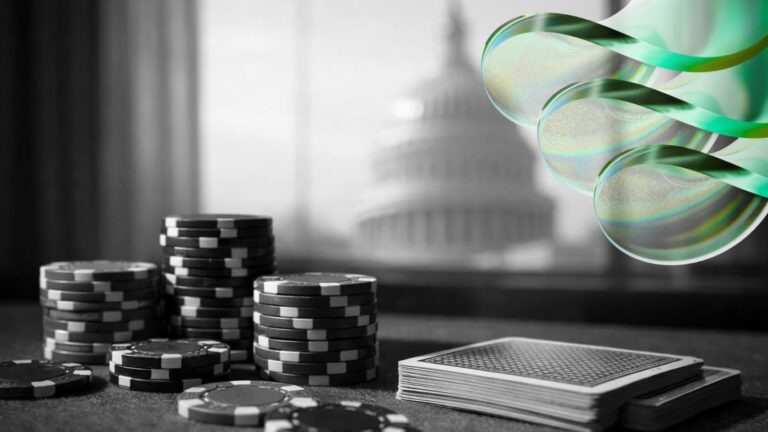


Polish Prime Minister Donald Tusk has urged EU member states to consider a bloc-wide gambling levy as the Union seeks new ways to finance its proposed €2tn budget for 2028–2034.
Tusk made the call with two months remaining for EU leaders to reach a settlement on the next budget cycle. His intervention makes him the most senior political figure to support using new EU “own resources” to reduce reliance on direct national contributions.
Gambling enters the budget negotiations
Speaking after a meeting of Visegrád Group leaders in Bratislava, Tusk said the EU needed additional resources to address new responsibilities, but argued that the cost should not fall on citizens and workers.
“As the European Union, we need to spend more money because there are new challenges,” Tusk said. “I would like these increased resources not to burden people.”
He called for serious consideration of possible EU taxes on major digital platforms, crypto-assets and online gambling, arguing that sectors and companies with greater financial capacity should help fund the bloc’s requirements.
The European Commission has proposed a budget of almost €2tn for the seven-year period, equivalent to about 1.26% of the EU’s gross national income. Spending priorities include defence, economic competitiveness, workforce skills, migration management, digital security and climate resilience.
Ireland, which holds the rotating Presidency of the Council of the EU during the second half of 2026, is expected to broker a compromise. Dublin is due to present proposals on potential revenue streams as governments seek a political agreement before the end of the year.
Wealthier net-contributor states are pressing for spending cuts, while other governments oppose reductions to agricultural and regional programmes.
The European Parliament has asked the Commission to assess the feasibility, economic value and legal basis of a resource based on online gambling and betting. Supporters estimate that a harmonised levy could raise €2bn to €4bn annually, or as much as €28bn over the budget period, for education, digital skills, youth programmes and gambling-harm prevention.
No agreed tax design
The gambling levy is not part of the Commission’s current package of proposed own resources. That package covers the EU Emissions Trading System, the Carbon Border Adjustment Mechanism, tobacco excise duties, uncollected electronic waste and a new Corporate Resource for Europe. The corporate measure would apply to large Single Market companies with annual net turnover of at least €100m. Together, the measures are expected to raise about €58.2bn annually.
There is no final legislative proposal, rate or agreed tax base for gambling, and Tusk did not specify how the measure should work.
The proposal was advanced by the Progressive Alliance of Socialists and Democrats (S&D), with Romanian MEP Victor Negrescu advocating a levy of up to 2% on online gambling and betting revenues generated in EU member states.
Maltese Prime Minister Robert Abela has rejected the idea, saying gambling taxation should remain a national responsibility. Malta supports new EU own resources generally but opposes using gambling revenue for the Union budget.
A further issue is whether the levy would replace part of national taxation or be added to existing charges on licensed operators. European trade bodies have warned that higher taxes on regulated businesses could weaken channelisation and increase the advantage of untaxed offshore operators, potentially undermining efforts to combat illegal gambling and improve consumer protection.
Tusk’s support does not ensure the levy will enter the final budget package, but it gives the proposal greater political weight at a key stage of negotiations.