
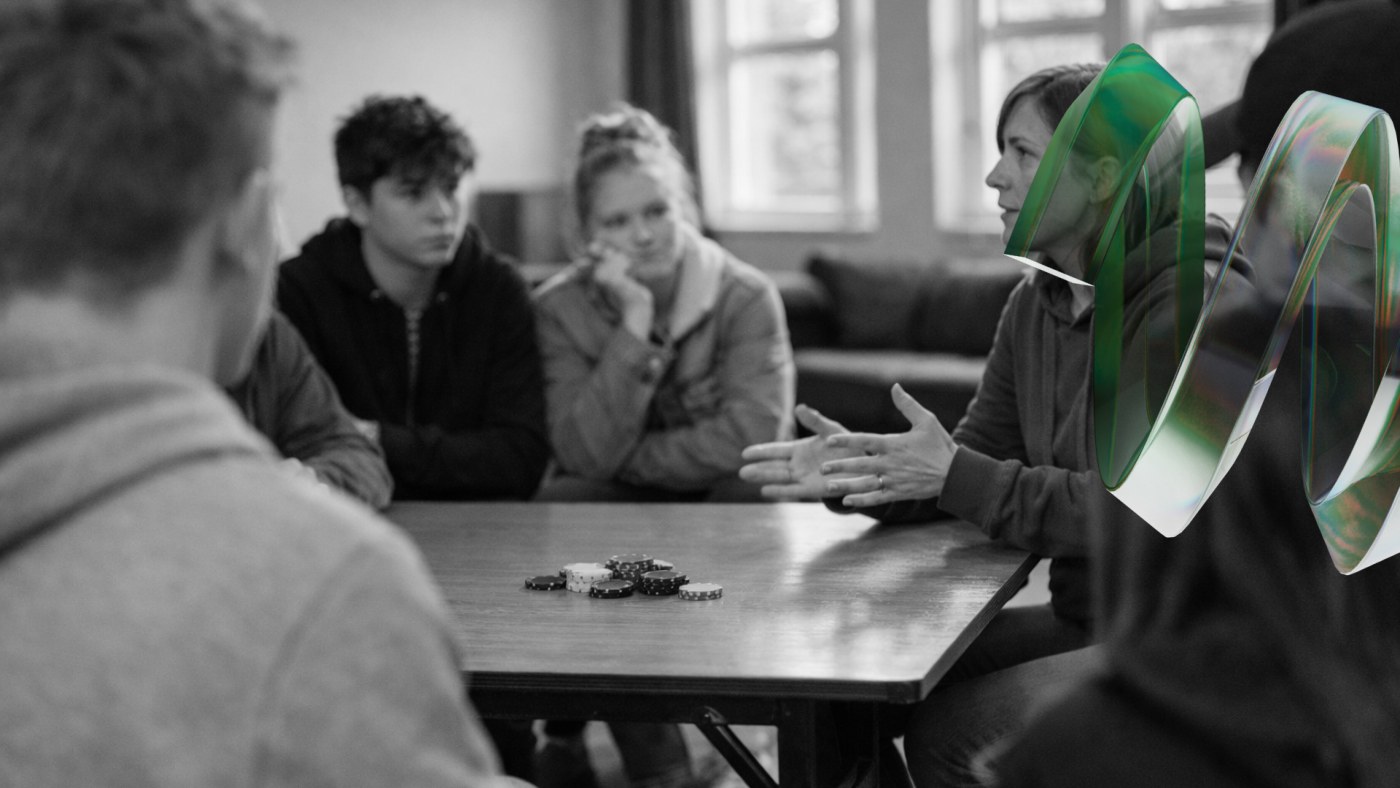

A Gambling Commission survey found that 81% of young people aged 11 to 17 felt well informed about gambling risks, while 68% said someone had spoken to them about potential gambling-related problems. The findings give operators and regulators a picture of young people’s reported exposure to gambling and related content, as well as their understanding of risks.
The Gambling Commission’s annual Young People and Gambling Report 2026 draws on an online questionnaire completed in class by pupils at academies, maintained schools and independent schools in England, Scotland and Wales. A total of 3,867 young people took part between January and July 2026. The Commission said the report helps guide regulatory action and broader efforts to protect children and vulnerable young people from gambling-related harm.
The Commission cautioned that results rely on self-reported answers and should be treated as estimates of young people’s reported experiences and behaviour, not independently verified activity.
Participation and reported harm
Nearly three-quarters of respondents, 74%, said they had never gambled, up from 69.6% last year. In the past year, 26% had spent their own money on gambling. Participation was higher in activities without age restrictions (24%) than in age-restricted activities (5%). The Commission’s analysis found an overall decline in participation between 2022 and 2026, despite variation in the intervening years; the 2026 figure was down from 31% in 2022.
The most commonly reported activities were arcade machines such as penny pushers or claw grab machines (19%), betting money with friends or family (11%), and playing cards for money with friends or family (5%).
Ben Haden, Director of Research and Statistics at the Gambling Commission, said: “The Commission’s focus is on ensuring that children and young people are not able to spend money on age-restricted gambling products, with an appreciation of the wider context. This is an important survey that provides one perspective on that question as we seek to protect children and vulnerable young people.”
A total of 0.9% reported negative consequences such as missing school, lying to friends or family, or using dinner money to gamble, compared with 1.2% in 2025. This group scored at least four on the youth-adapted problem gambling screen, DSM-IV-MR-J (Diagnostic and Statistical Manual of Mental Disorders, 4th Edition – Multiple Response Juvenile). The Commission said the measure had remained relatively stable since 2022. A further 2.0% scored two or three, indicating “at risk” gambling, while 23.1% scored zero or one, indicating no gambling problems.
Overall, 29% considered themselves risk-takers, with boys and older teenagers more likely to do so. Among those who spent their own money gambling, the share was 38%.
Advertising and gaming
Some 89% recalled seeing or hearing gambling advertising or promotions in the past year. Boys were more likely than girls to report seeing adverts across a range of platforms. Live-streaming or video-sharing platforms were the most frequently reported weekly setting, cited by 53%.
Meanwhile, 15% followed gambling-related content on social media or streaming services; of those, 38% said influencers, creators or streamers they followed had advertised gambling-related content.
The survey also found that 82% knew of at least one type of in-game item activity. Among those aware of such activities, 84% had used at least one. Across all respondents, 22% had opened virtual loot boxes or surprise boxes using their own money.