
Licensed bingo premises generated £703.8 million in gross gambling yield (GGY) in the year to March 2026, but gaming machines accounted for £461.7 million of that total, compared with £242.1 million from bingo games. The figures have renewed questions over whether some venues are operating more like adult gaming centres (AGCs) than bingo halls.
One gambling harm campaigner described bingo as a “trojan horse” for gaming machine operations as machine revenue continued to grow. Bingo premises machine GGY has increased 57%, from approximately £293 million in 2019-20 to £462 million in 2025-26. Revenue from Category B machines rose from approximately £197 million to £361 million, making up about 78% of machine GGY in the latest financial year, compared with 67% in 2019-20.
Two businesses under one licence
The aggregate figures cover different types of venue. For operators focused mainly or exclusively on high-street bingo premises, less than 1% of GGY came from bingo games. Machines generated the remaining 99%.
By contrast, bingo represented 51% of GGY for operators concentrated on traditional bingo clubs and 55% for those focused on holiday parks. Smaller high-street venues can therefore hold bingo licences while deriving almost all their gambling revenue from machines.
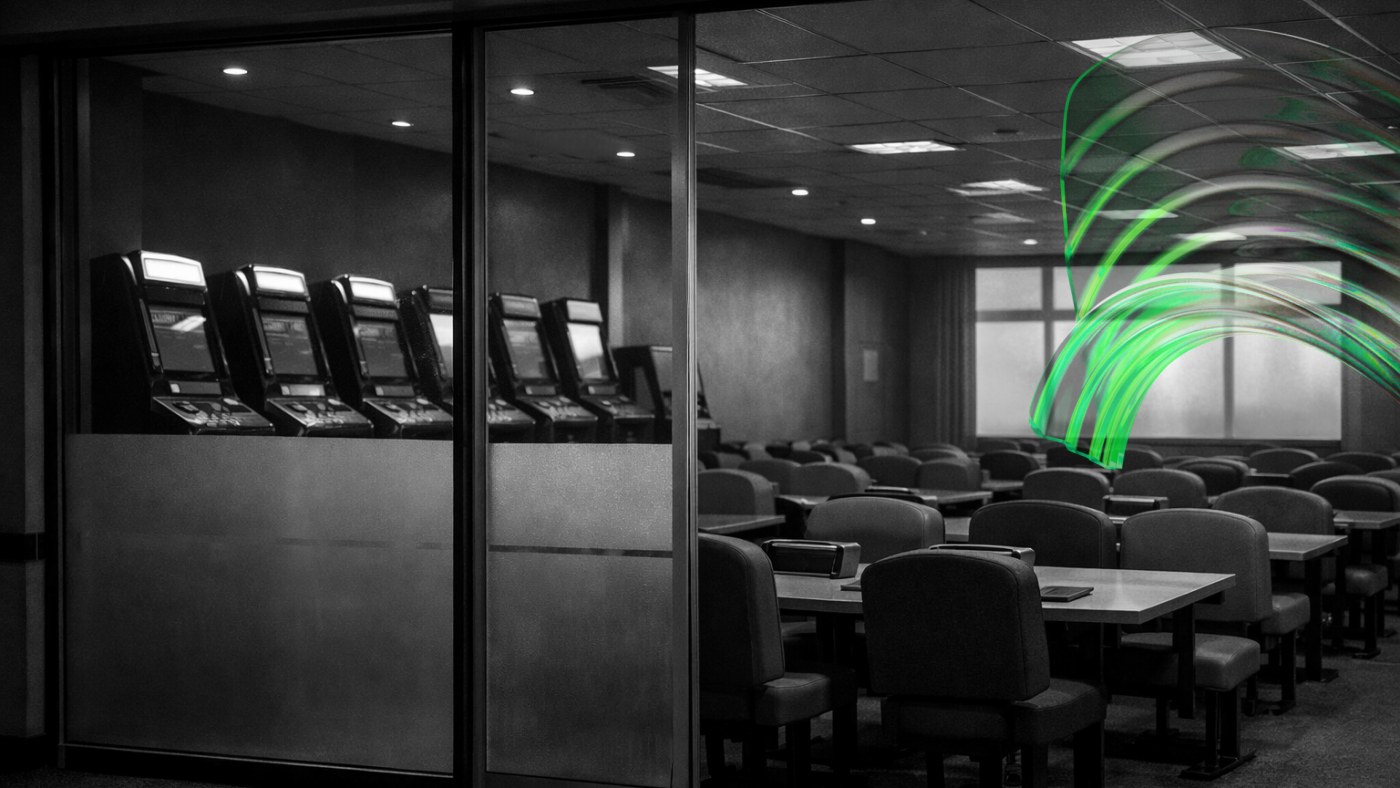
The government acknowledged the issue in its October 2025 consultation, referring to a “growing number” of licensed bingo premises that were difficult to distinguish from AGCs. Some had machines occupying most of the floor space and presenting them as the main feature for customers.
Under Gambling Commission social responsibility code provision 9.1.2, licensed bingo premises may offer machines only where “substantive facilities” for non-remote bingo are available. The law does not define that term, or set minimum requirements for floor space, seats, customers or revenue. Electronic bingo terminals add further complexity because the same tablet can provide bingo and machine content, although only one activity can be played at a time.
Consultation proposes clearer tests
The distinction matters even though bingo premises and AGCs can ordinarily offer Category B3 and B4 machines up to 20% of their machine estate. Bingo premises can provide forms of bingo unavailable in AGCs and may seek an alcohol licence, while customers cannot consume alcohol when gambling in an AGC. Their classification also affects presentation, customer protections and how local authorities assess gambling risk.
The latest data shows 714 bingo premises in March 2026, up from 688 a year earlier. Traditional clubs fell from 335 in December 2018 to 248 in August 2024. Machines’ share of licensed bingo-sector GGY rose from 44% in the year to March 2014 to 63% in March 2024 and 65.6% in 2025-26.
The October 2025 consultation proposed a defined bingo area occupying 30%, 40% or 50% of each venue, with no cabinet or in-fill machines in that space. It also considered minimums of 30 or 40 bingo positions. Operators could instead convert machine-led premises to AGC licences, losing most forms of bingo and potentially alcohol sales.
The consultation closed in January, but the sector is still awaiting a response. The regulatory challenge is to preserve credible hybrid formats while preventing token bingo provision from supporting what is effectively an AGC.