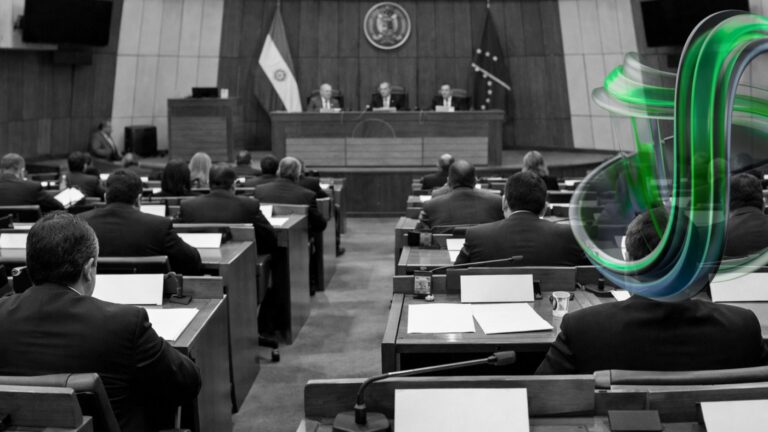


Brazil has signed the Macolin Convention, joining an international framework to combat match-fixing and protect the integrity of sports competitions. The signing took place on Friday at the Council of Europe headquarters in France, but Brazil must complete domestic approval and ratification procedures before becoming a State Party.
Brazilian ambassador to France Ricardo Neiva Tavares signed the treaty on behalf of the government. The process was overseen by the Ministry of Foreign Affairs, with the Ministries of Sport, Finance and Justice involved.
Framework for international cooperation
The Convention sets out cooperation between governments, public authorities, sports organisations, competition organisers and betting operators. Its stated aims include preventing, identifying and tackling practices that undermine fair results and public confidence in sport.
“Brazil is taking an important step in protecting the integrity of sports,” said Giovanni Rocco, Brazil’s National Secretary of Sports Betting. He noted that Brazil had already established the National Policy for the Prevention and Combat of Match-Fixing in Sports.
“Now, with the signing of the Macolin Convention, we are expanding the possibilities for international cooperation. This work strengthens the fight against fraud and helps protect athletes, clubs and fans,” Rocco said.
The Ministry of Sport has followed Brazil’s participation process since 2025, when the National Secretariat for Sports Betting issued a technical statement supporting accession. In September 2025, the government formally announced its intention to join after a joint assessment by the ministries involved. The Ministry of Sport has since provided technical and legal support and taken part in discussions on the process.
Brazil’s policy and treaty provisions
Established in March 2026 and coordinated by the Ministry of Sport, the National Policy for the Prevention and Confrontation of Manipulation of Sports Results (PNPEMR) was developed with the Ministries of Finance and Justice and the participation of the Federal Police. It sets guidelines for the regulation, prevention, monitoring, inspection and repression of sports fraud.
Opened for signature in 2014 in Macolin, Switzerland, and in force since September 2019, the Convention had 43 signatory countries by September 2026; 17 had ratified it. Australia and Morocco are among the signatories outside Europe. Brazil is the first country in the Americas to sign.
Measures provided for in the treaty include sharing information between countries, cooperation among competent authorities, monitoring suspicious activity related to sports betting, and strengthening prevention and accountability. It also calls for each state to establish a national platform to centralise information, connect relevant sectors and help identify possible irregularities.
Ratification still required
Brazil must submit the treaty text to the National Congress for review and approval, then complete ratification under the procedures for incorporating international treaties. The signing marks a further step in the country’s engagement with international efforts against match-fixing, but does not by itself complete accession.