
MGM Osaka is scheduled to open in late 2030 as Japan’s first integrated resort, putting the project’s casino, tourism and responsible gambling plans in the spotlight. The ¥1.5 trillion (US$9.5 billion) development is being built on Yumeshima, the artificial island that hosted World Expo 2025, by MGM Resorts International and Orix Group.
MGM Japan president and CEO Ed Bowers says the company recognises public unease about introducing a large casino to Japan. “There’s a lot of trepidation about being the first to have this very large casino in Japan, and the issues it could bring,” he said.
A resort shaped by policy
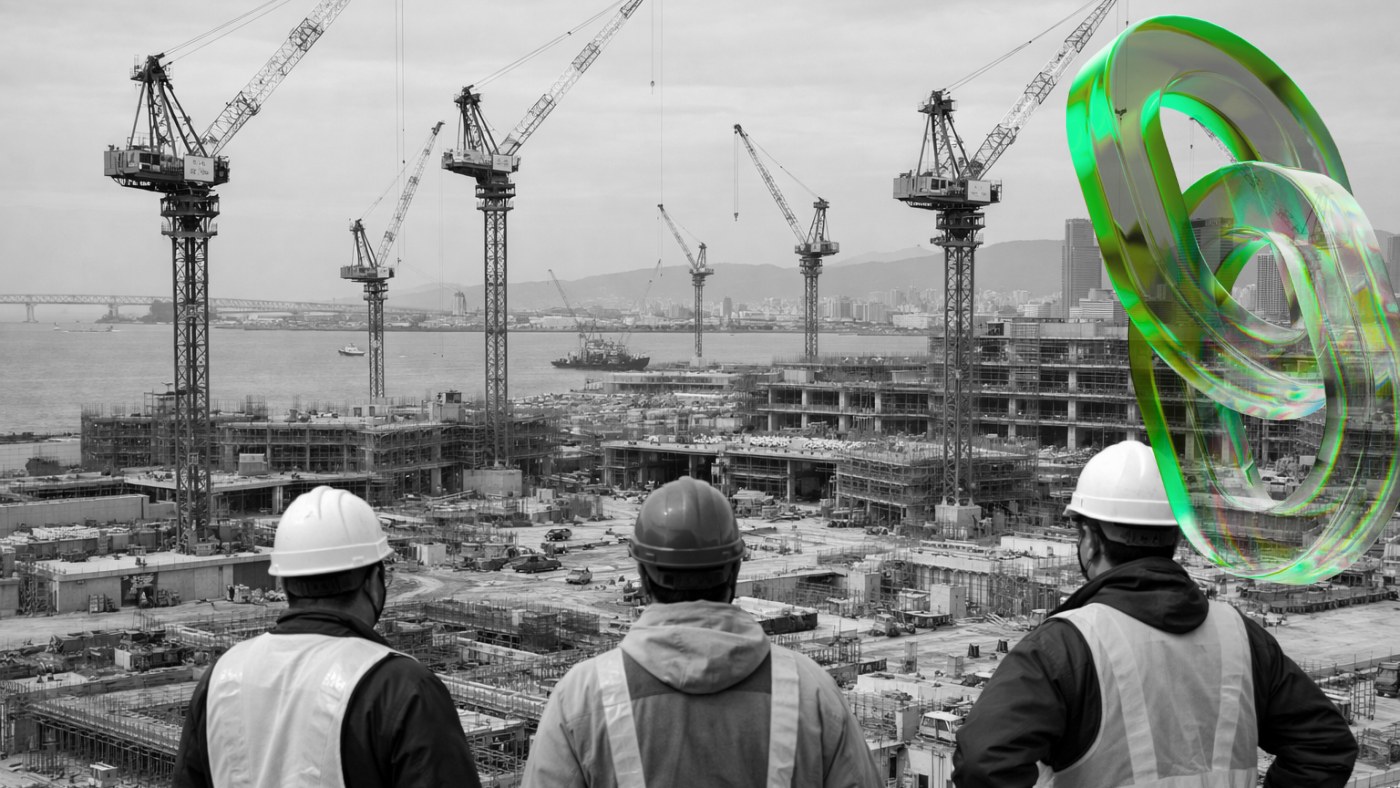
The 49-hectare site is Japan’s largest current construction project. An Osaka subway station, partly funded by the project, opened in January 2025. Kintetsu Group plans a direct train link between Yumeshima and Nara, 45 kilometres east, while ferry and cruise ship facilities and a bus depot are also planned.
The resort’s 780,000 square metres of floor space will include three hotels with 2,500 rooms, a 3,500-seat theatre and conference and exhibition facilities. Gaming space is capped at 3% of the total, or 23,400 square metres. Japanese residents will pay a ¥6,000 entry fee for each 24-hour visit and face limits of three visits in seven days and 10 in 28 days.
The latest area development plan projects annual revenue of ¥520 billion, including ¥420 billion from gaming. Bowers expects Japanese customers to account for half of revenue. He says the resort’s role is also to direct visitors to destinations elsewhere in Japan, describing it as a “tourism multiplier”. Japan recorded 42.68 million international arrivals last year and retains a target of 60 million by 2030, while adjusting policy to address overtourism and attract higher-end visitors.
Public confidence and future development
Osaka International Business Promotion Council planner Pham Thanh Trung said residents have uncertainties about hosting the country’s first casino. Hogo managing partner Chris Wieners said the project’s operation could influence how regulators, local governments and the public view future resorts.
Bowers says Osaka aims to lead on problem gambling and responsible gambling. MGM Osaka plans to use its US-based Game Sense programme and work with the city’s developing Osaka Addiction Centre. Japan already has established gaming activity through pachinko, amusement venues and legal betting on sports including horse racing and boat and bicycle racing.
Yumeshima’s wider development is being phased under an official land-use and infrastructure plan. National University of Singapore expert Lee Kah-Wee cautioned against direct comparisons with Macau’s Cotai, where casino operators shaped development, and said Yumeshima’s planning more closely resembles Singapore’s Marina Bay. Osaka announced a US$595 million minimum price in September for a 42-hectare second-phase site beside the resort; a third adjacent site is to be offered later.