
ICONIC21 is positioning conversational AI as a way to give RNG casino games more interaction without attempting to replicate or replace live casino. The approach, represented by its iDealer Blackjack product, could create a distinct experience within the existing RNG category, says product owner Andrii Savyntsev.
Adding interaction to RNG
Traditional RNG games were built for quick, self-directed play, Savyntsev says. Live casino offers a different format, with a human dealer and a social atmosphere, but some players may want neither a silent game nor the commitment of a live table. Conversational AI, he argues, provides an option between those experiences.
The technology is also seeing wider adoption beyond gambling. Research published in June valued the global conversational AI market at $14.3bn last year and projected growth from $17.7bn in 2026 to $78.9bn by 2033, a compound annual growth rate of 23.8% over seven years.
Savyntsev says discussion of AI dealers often focuses on whether they can imitate human dealers. He argues that this frames the technology too narrowly: players value the authenticity and social dynamics of live casino, while an AI dealer in an RNG game can serve a different purpose.
Making the AI identity clear
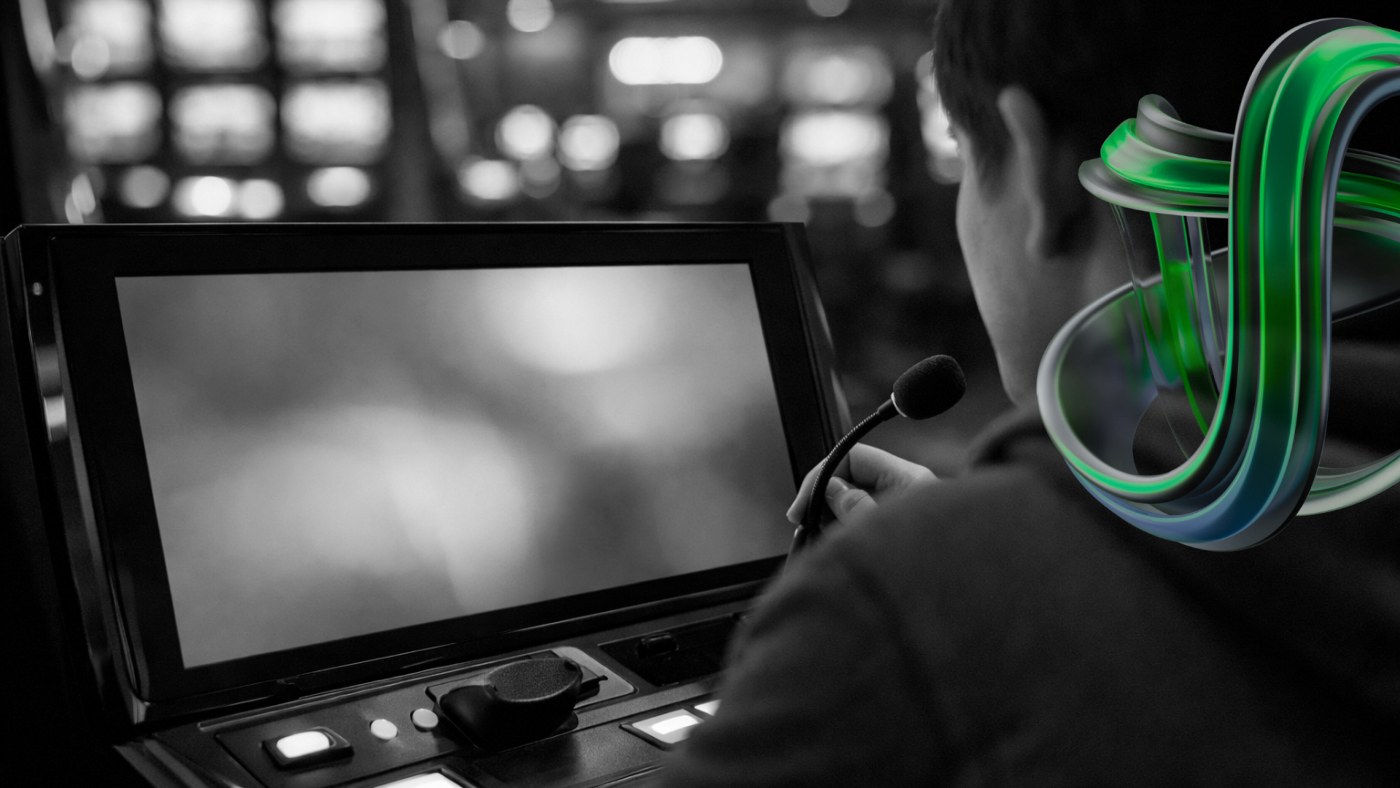
Launched in May, iDealer Blackjack is a seven-seat RNG blackjack game developed with RAVATAR, using its real-time interactive AI avatar technology. ICONIC21 describes the dealer as a “real-time presence”: it welcomes players by name, remembers past interactions and adapts to each session.
The company made transparency a central part of the product, telling players from the outset that the dealer is AI-powered. Savyntsev says this helped reduce social friction rather than undermine the experience. He adds that conversations observed at the tables have ranged from gameplay to trivia, sport and current events, with players also switching between languages.
The product is not intended to displace human dealers. “This is not a live casino replacement,” Savyntsev says, arguing that a real table and an AI dealer within an RNG game meet different player needs.
A format that can travel
ICONIC21 expanded the concept in August with iDealer Boulevard Blackjack. The AI dealer appears in a different setting, styled around a neon-lit coastal metropolis, palm-lined boulevards and urban nightlife. For Savyntsev, the significance is that the conversational dealer can be used across different branded environments, rather than being tied to one game.
He describes the model as an adaptable framework in which personality, setting and brand identity can form part of the product. iDealer remains an RNG game, he says; the change is in the experience, not the underlying format.
Savyntsev’s argument also reflects broader interest in how people respond to AI. FanDuel co-founder Nigel Eccles has said some people find human dealers intimidating, while academic research published last month found people judged AI-generated messages to be more empathetic than human-written ones. ICONIC21’s case is that AI casino products can complement RNG and live casino by offering an interaction players value for different reasons.